Do I Need Planning Permission for Solar Panels? Your 2026 UK Guide
Do you need planning permission for solar panels? Get personalised advice with MakeMyHouseGreen's Solar Panel Calculator
Navigating local regulations can feel like a maze, but understanding the requirements is the first step toward a hassle-free installation. Since the Labour government took office, there has been a significant push to unleash a rooftop revolution, leading to streamlined processes and clearer height restrictions.
At MakeMyHouseGreen, our Green Gurus provide the personalised guidance you need to navigate these rules confidently and can handle the entire application for you.
Key Takeaways for 2026:
- Permitted Development: Most UK homes do not require formal planning permission as they fall under Permitted Development rights.
- Recent Updates: New rules now allow solar panels on flat roofs to protrude up to 600mm (0.6m) without permission, a major change from previous years.
- Protected Status: Exceptions still apply to listed buildings, conservation areas, and World Heritage Sites.
- Timeline: If you do need to apply, the process typically takes 8 to 13 weeks.
Do You Need Planning Permission for Solar Panels?
The good news is that, in most cases, you do not need planning permission to install solar panels on your home. Most residential solar panel installations fall under "permitted development" rights, meaning they can be installed without formal planning approval.
Living in a conservation area? We’ll handle the paperwork.
Most solar installations fall under "permitted development," but if you live in a conservation area, the rules are a little stricter. Usually, this means submitting a full planning application to your local council before you can start generating your own clean energy.
We know that navigating local authority portals and technical drawings can be a headache. That’s why we offer a dedicated Planning Permission Service specifically for homes in conservation areas.
How it works:
- Total Management: We take care of the entire application process from start to finish.
- Expert Paperwork: Our team prepares all necessary technical drawings and supporting documents to ensure your application is professional and compliant.
- Submission & Fees: We handle the submission to your local council.
- One Fixed Cost: The service costs £585, which includes the local authority application fee – so there are no hidden surprises.
While we can’t guarantee the council’s final decision, our expertise in solar design for sensitive areas gives your project the best possible start.
General Rules for Solar Planning Permission
When it comes to installing solar panels, many homeowners are pleased to learn that, in most cases, planning permission is not required. This is because solar panel installations typically fall under what is known as "permitted development." Under these rules, homeowners can install solar panels without needing to go through a formal planning application process, provided certain conditions are met.
However, there are some exceptions to this general rule. Planning permission might be required in specific circumstances, such as:
- Listed Buildings: If your property is a listed building, you will need to obtain planning permission to install solar panels.
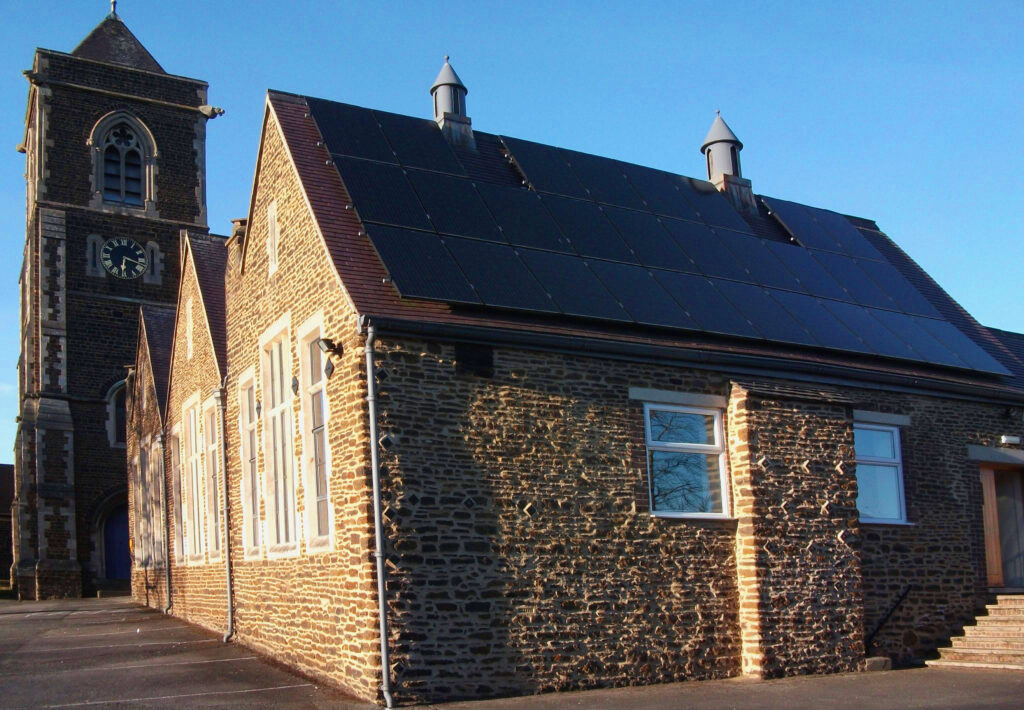
- Conservation Areas: Homes located in conservation areas or areas of outstanding natural beauty often have stricter regulations regarding exterior modifications, including solar panel installations.
- Protected Sites: If your home is situated on a protected site or within the vicinity of a historical landmark, additional permissions may be necessary.
Is My Home Covered Under Permitted Development?
In the vast majority of cases, the answer is yes. Permitted Development is essentially a pre-approval from the government for specific home improvements. However, to qualify, your installation must meet these criteria:
- Pitched Roofs: Panels must not protrude more than 200mm from the roof slope.
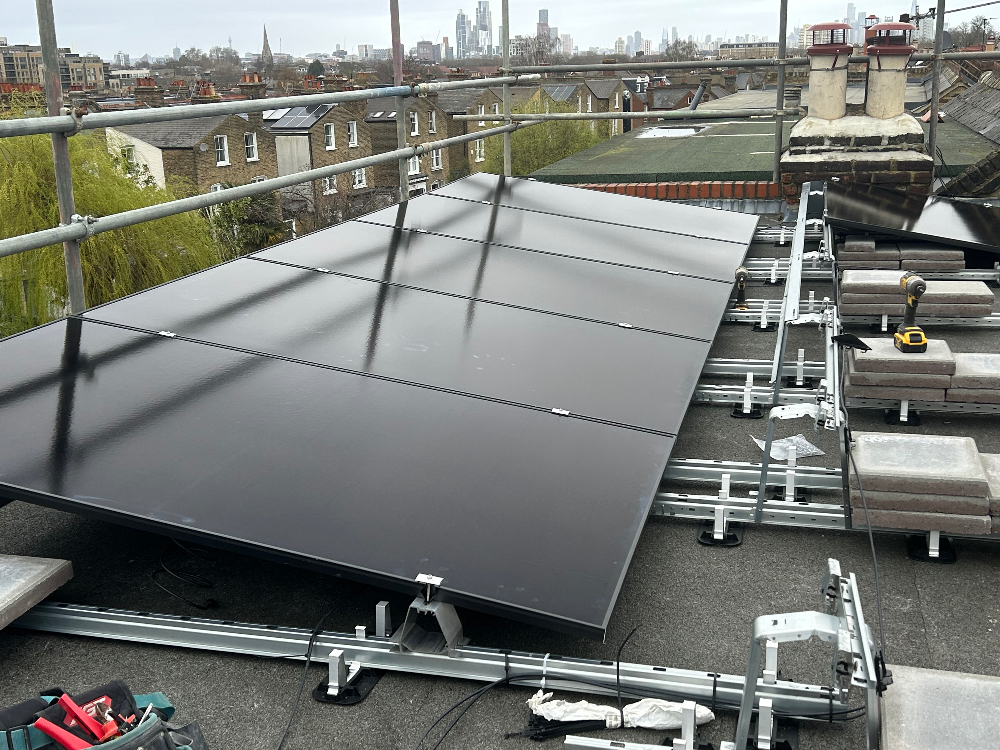
- Flat Roofs (Updated): Panels can now extend up to 600mm above the roofline.
- Height: Panels must not be higher than the highest part of the roof (excluding the chimney).
- Aesthetics: Equipment must be sited, as far as practicable, to minimise the effect on the external appearance of the building.
What Are the Planning Permission Rules in My Region?
While the general spirit of the law is similar, there are slight variations across the UK nations.
Do England and Wales have different solar rules?
In England and Wales, the 200mm protrusion rule for pitched roofs remains the standard. However, if you live in a conservation area, you cannot install panels on a wall that faces a public highway.
What about solar planning in Scotland?
Scotland allows for a more generous protrusion of up to 1 metre from the wall or roof surface, provided it does not exceed the highest point of the roof. In conservation areas, visibility from the principal elevation is the key restriction.
Is planning permission harder in Northern Ireland?
Northern Ireland has traditionally been stricter. Roof-mounted panels are permitted if they protrude no more than 150mm. It is always recommended to check with your Local Planning Authority (LPA) here, as many systems still require a formal application.
When Is Solar Planning Permission Mandatory?
You will almost certainly need to submit a formal planning application if:
- You live in a listed building: You will need Listed Building Consent to ensure the heritage of the site is preserved.
- You are in a conservation area: While often permitted on roofs, an Article 4 Direction from your local council may have removed your automatic rights to preserve the area's character.
- Large ground-mounted arrays: If your system is standalone and exceeds 9 square metres, or is within 5 metres of your boundary, permission is required.
How to Apply for Planning Permission
If you find that your solar panel installation project requires planning permission, it's essential to understand the application process to ensure a smooth and successful approval. Here's a step-by-step guide:
Application Process
1. Initial Consultation: Begin by consulting with your local planning authority (LPA) to discuss your project and determine if planning permission is required.
2. Prepare Your Application: Gather all necessary documents and information to support your application.
3. Submit Your Application: Submit your planning permission application to your LPA, either online or via mail.
4. LPA Review: The LPA will review your application, which may include a site visit or requests for additional information.
5. Decision: You'll receive a decision notice from the LPA, either granting or refusing permission.
Required Documentation
When applying for planning permission, you'll typically need the following documents:
- Application Form: Completed planning permission application form, available from your LPA.
- Site Plan: A detailed site plan showing the location of your property and where the solar panels will be installed.
- Design and Access Statement: Explanation of the design and how it considers the site's accessibility.
- Photos: Photos of the existing site and proposed installation area.
- Technical Specifications: Details of the solar panel system, including dimensions and technical specifications.
- Supporting Statements: Any additional information that supports your application, such as environmental benefits or energy savings.
Timeline and Costs
The planning permission process can take several weeks to months, depending on the complexity of your application and the workload of the LPA. Here are some general timelines and costs to expect:
- Timeline: Typically, the LPA aims to make a decision within 8 weeks of receiving your application. For more complex applications, it could take up to 13 weeks.
- Costs: The application fee varies depending on the location and size of the project. For a domestic solar panel installation, the fee usually ranges from £200 to £500.
Why Choose MakeMyHouseGreen for Your Solar Journey?
Navigating the technicalities of the G98/G99 grid notifications and planning law can be daunting. We simplify the entire process:
- Expert Guidance: Our team provides personalised consultations to ensure your system is compliant from day one.
- Comprehensive Service: From initial survey to certified installation by MCS-accredited professionals.
- Future-Proofing: We stay updated on the latest government policy shifts so you do not have to.
Ready to see what is possible for your roof?
Use our Solar Panel Calculator today for a personalised estimate of your energy savings and a clear look at your property's requirements.
Ready to see what you can save?
Our solar calculator is 100% free to use. Enter your postcode below to get started.

Based on 400+ Trustpilot reviews